Patek Philippe International Magazine Documentary

Patek Philippe International Magazine Documentary

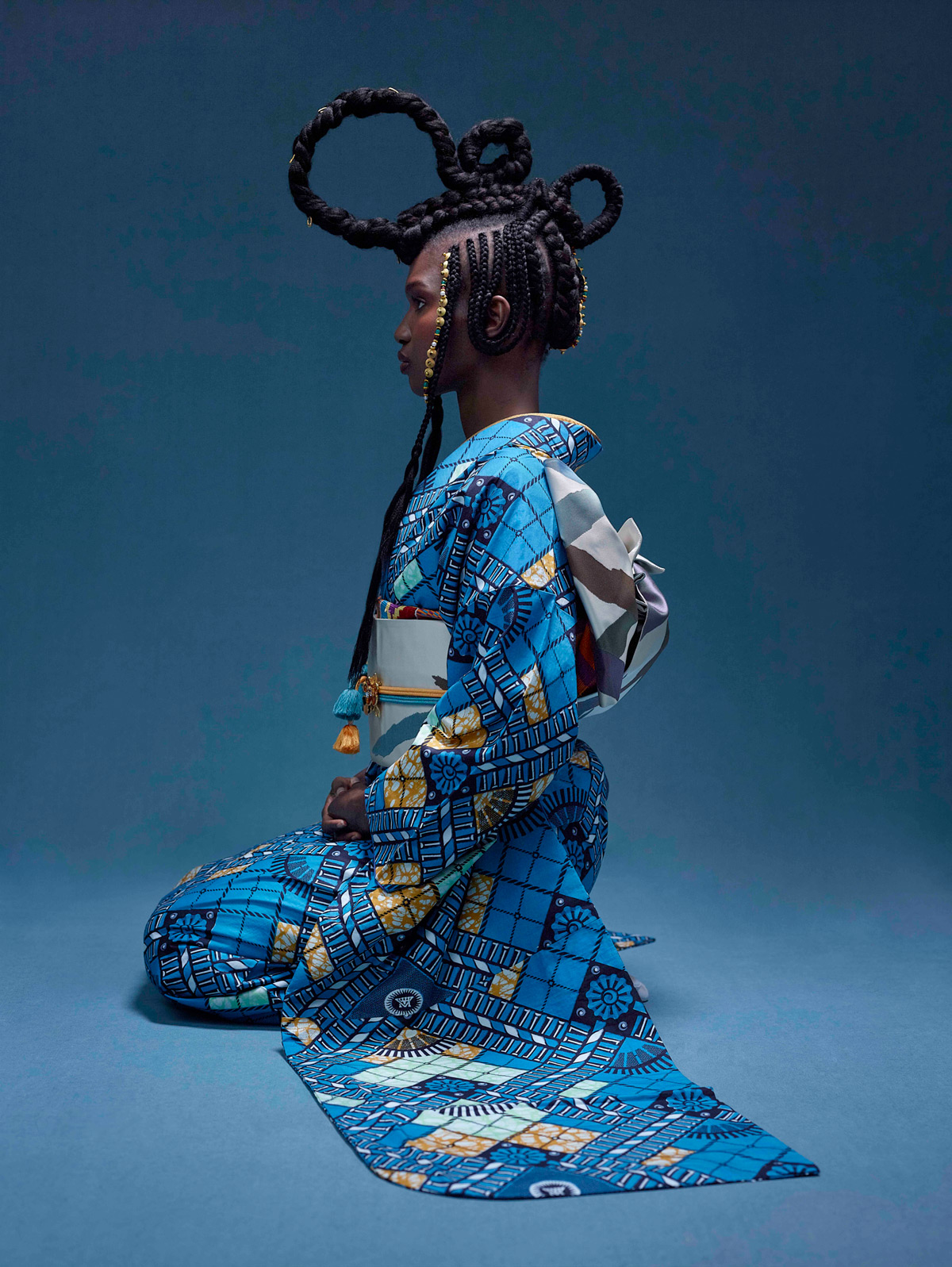
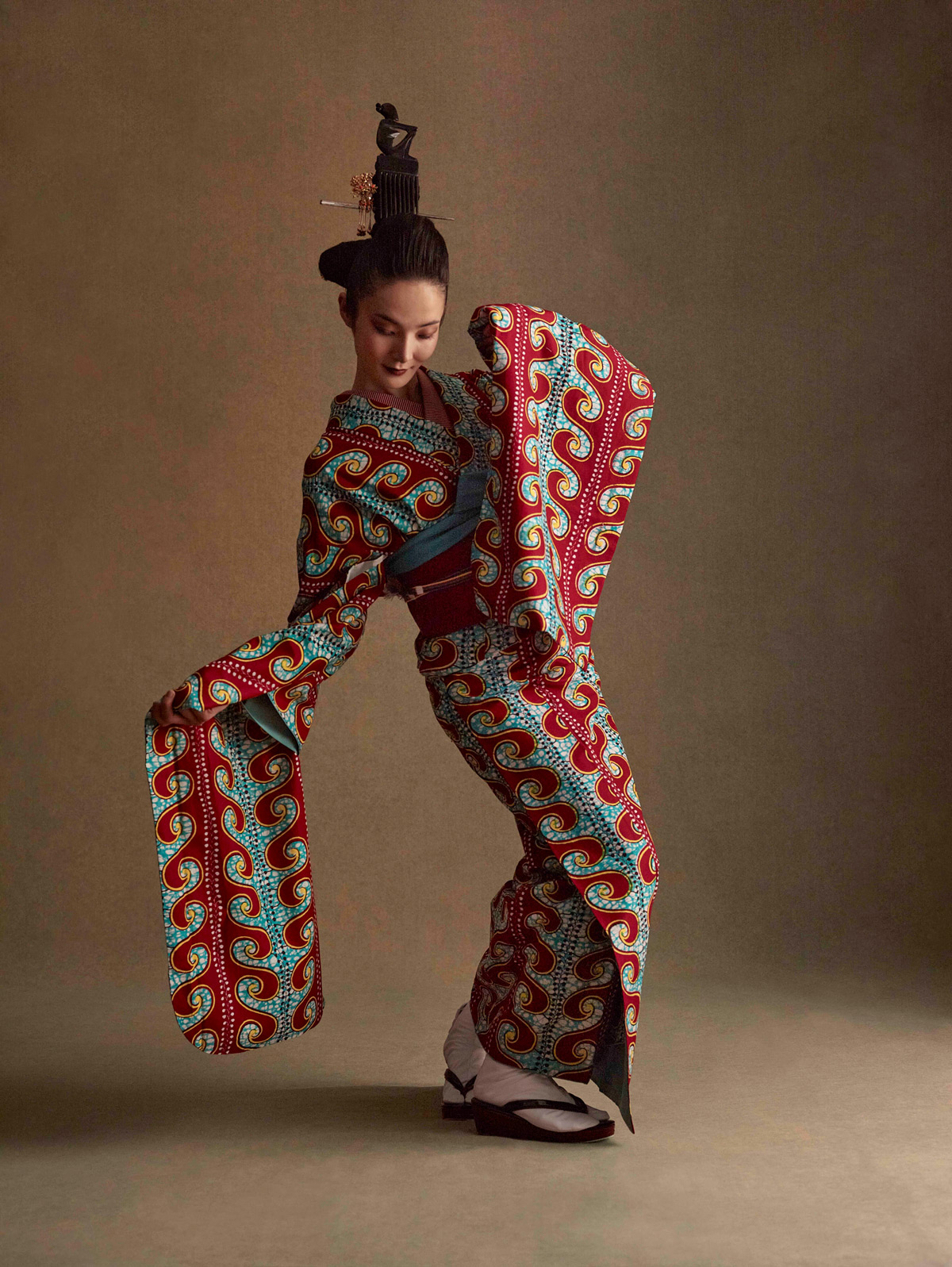
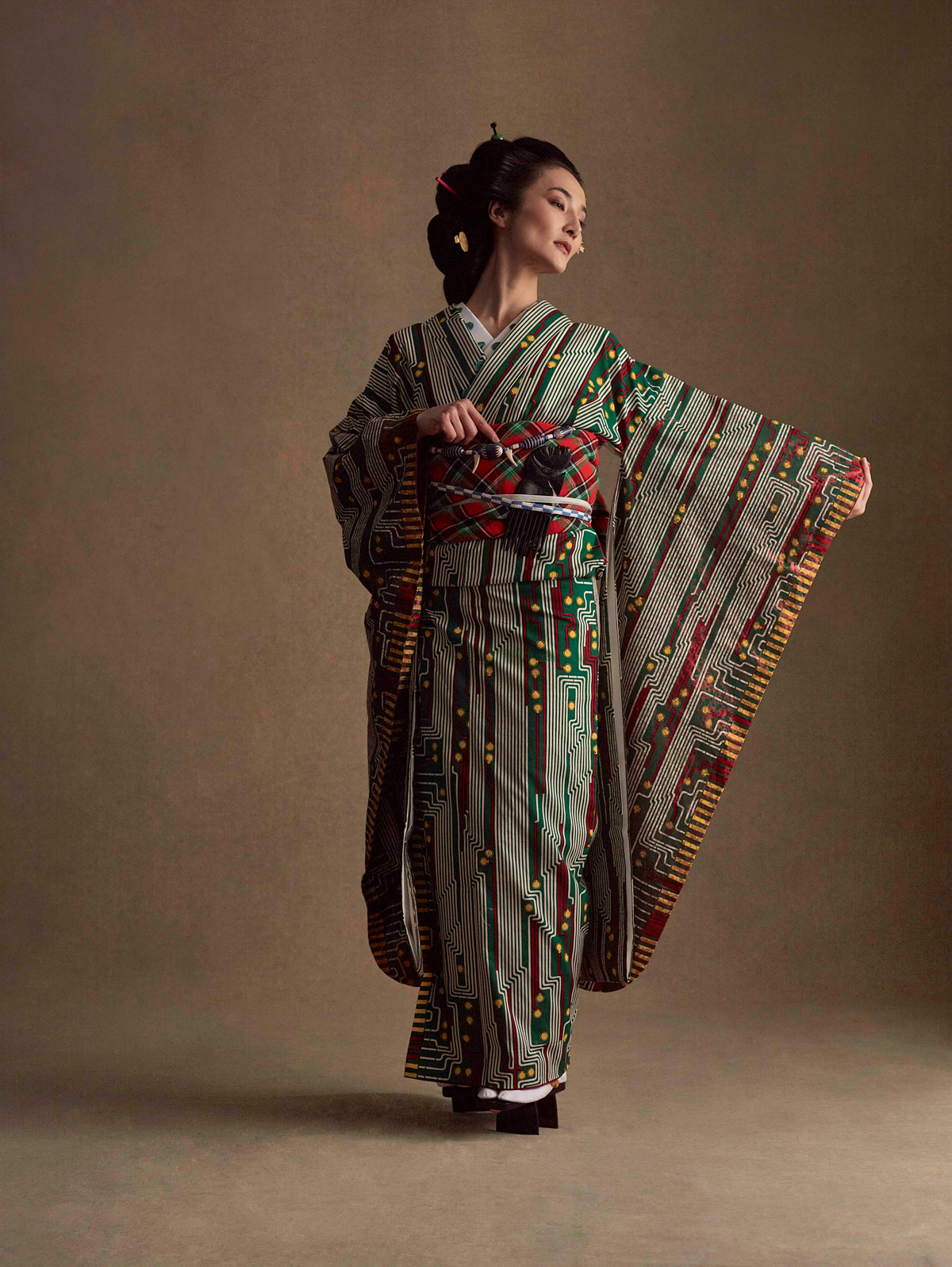
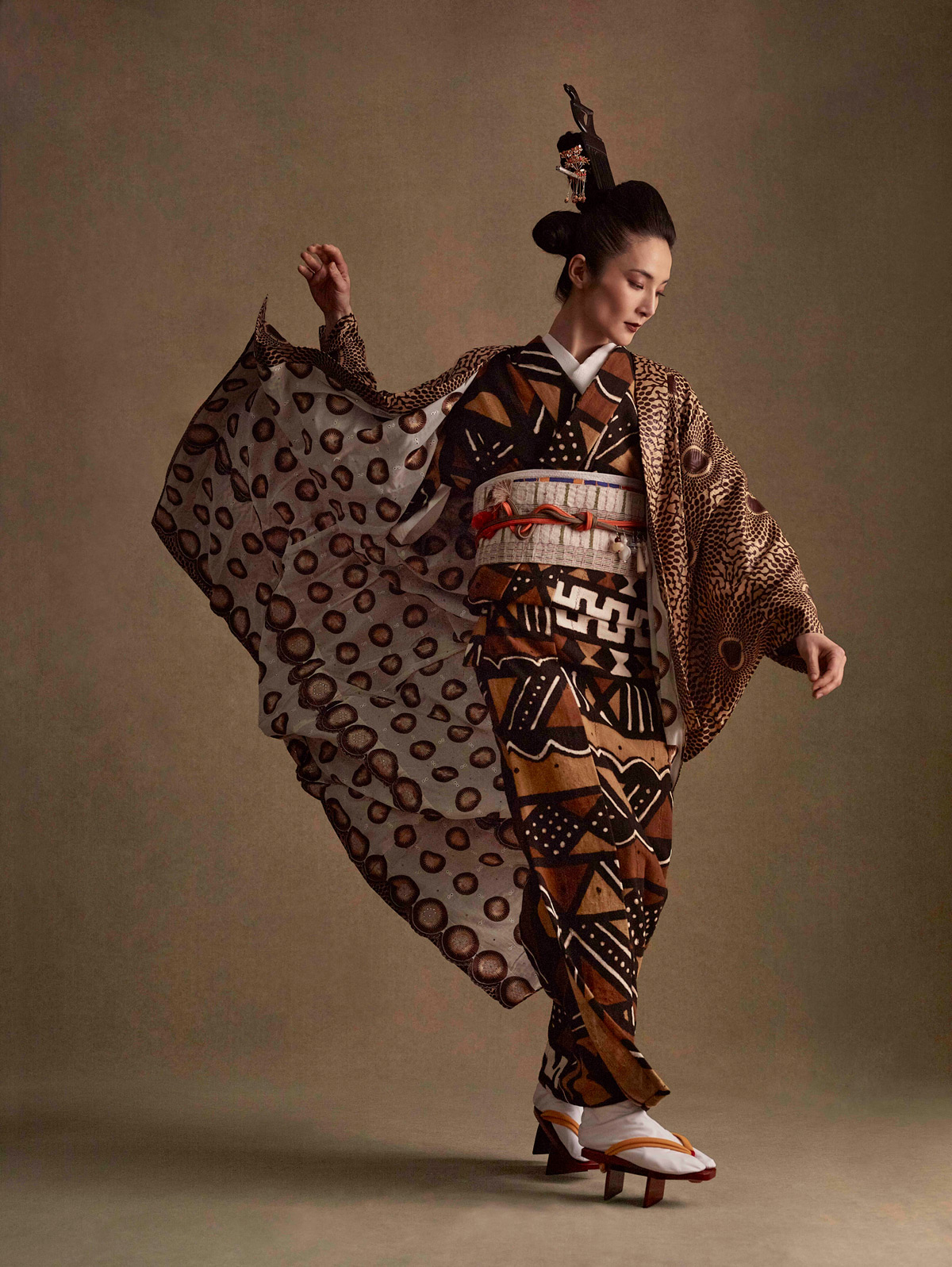
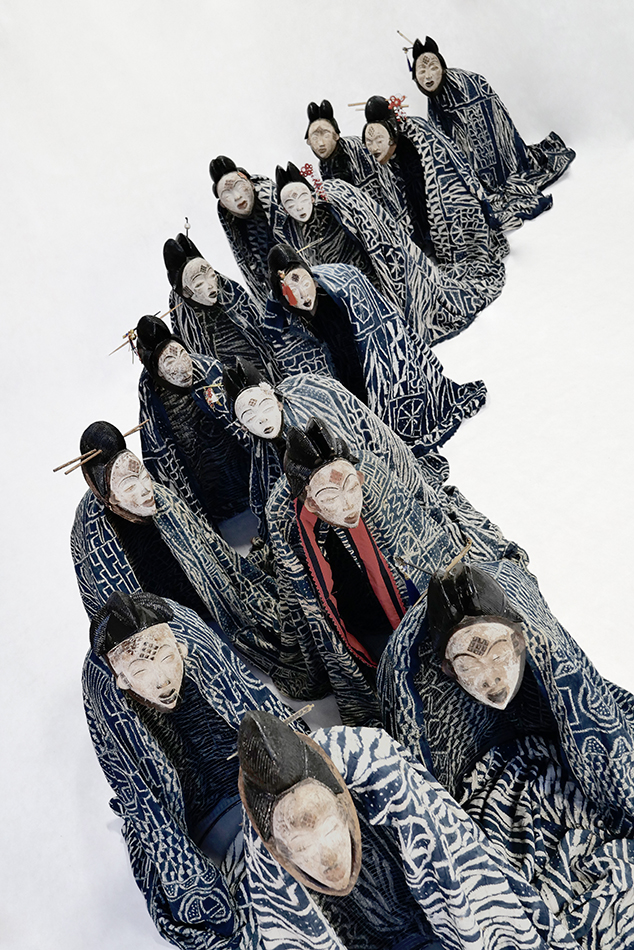
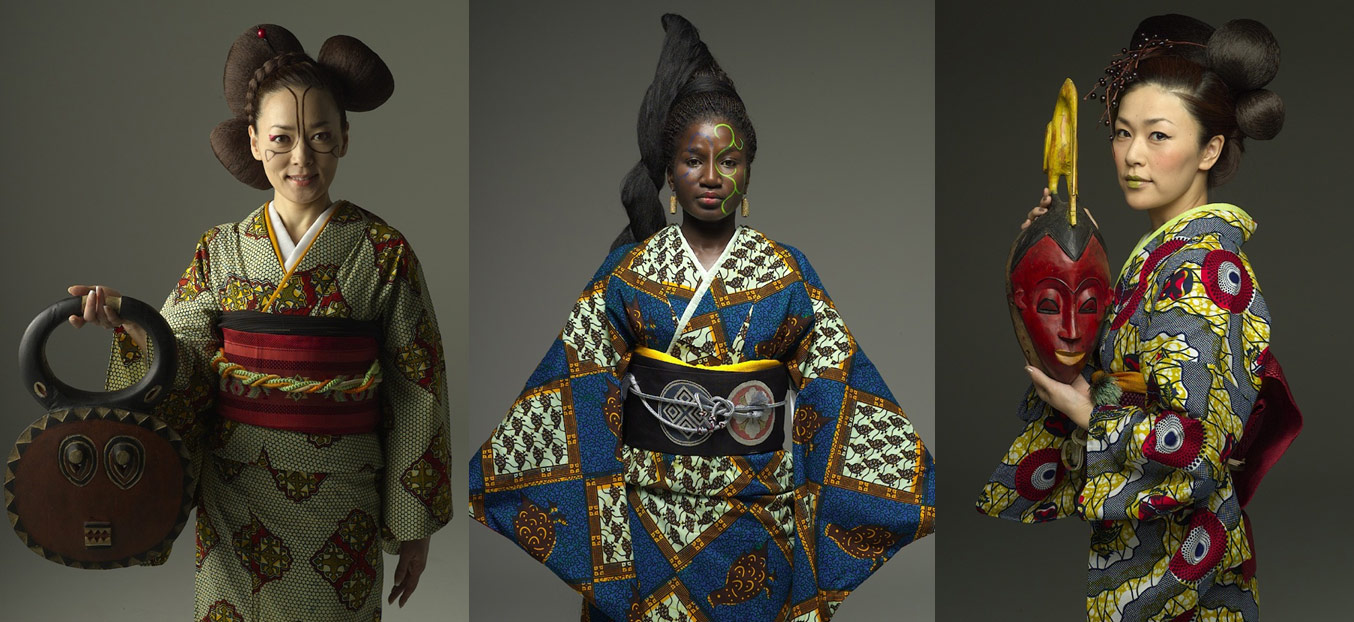
When a Cameroonian designer and artist immersed himself in Japanese culture, he found commonalities in tradition and heritage between two sides of the world. Enter the African-Japanese kimono – a hybrid garment created to celebrate identity and inheritance, unconventionality with a shared sense of belonging, and a new aesthetic.

Patek Philippe © 2022
Story: Judith Benhamou-Huet
Stills: Silvia Draz

HANEKAZE by Wafrica

HANEKAZE by Wafrica
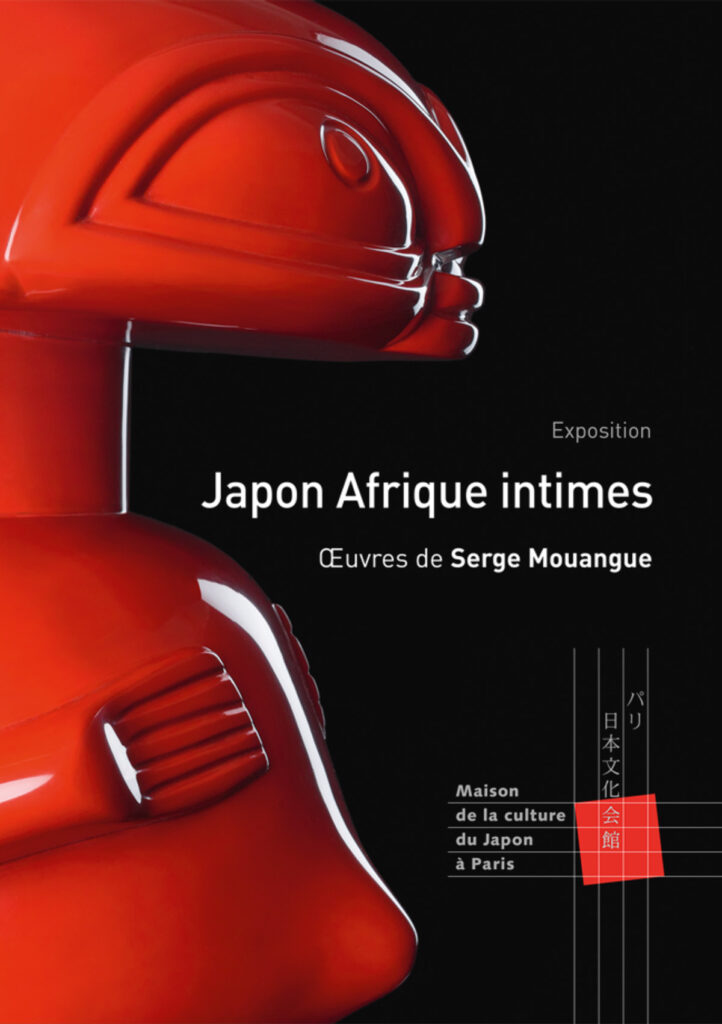
Exposition Japon Afrique Intimes

Wafrica and Toyota Europe Design & Development present a vehicle art form that combines Japanese and West Africa esthetic at Maison de la Culture du Japon in Paris.

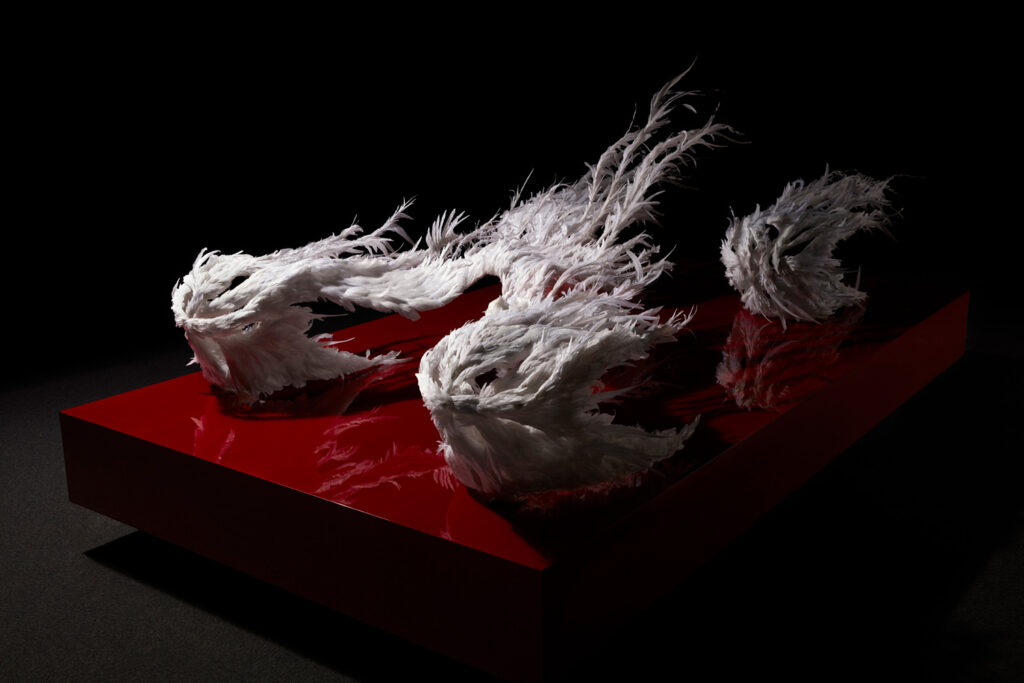
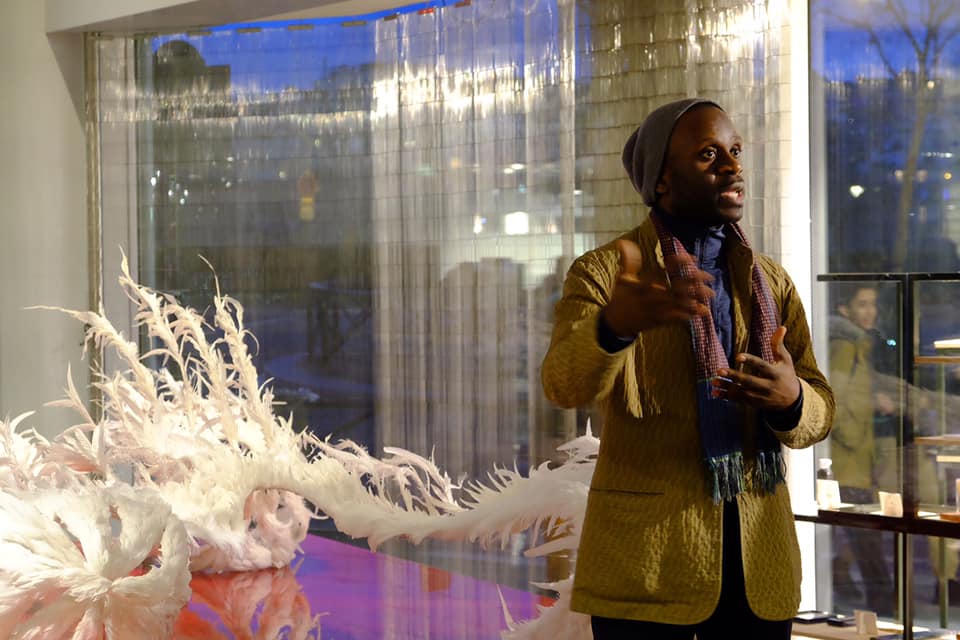
PARIS, February 2020 – The year of Africa in France and of the Tokyo Olympics games, la Maison de la Culture du Japon in the 15th arrondissement in Paris features a distinctive, free to public exhibition “Wafrica – Japon Afrique Intime” in the Great ground Hall in which an preternatural 3,6 meter long sculpture redefines motion through mysticism. Cameroon born designer-artist Serge Mouangue collaborates with Toyota Europe Design Development, ED² in short, and Eric Charles Donatien, feather artist, to give life to “Hanekaze” (feather wind), capturing spiritual presence common between West Africa and Japanese cultures through voodooism and Shintoism.

With “Hanekaze” , a levitating sculpture, Serge Mouangue continues to create bridges between Japan and West Africa. Both animist and sophisticated, the two cultures combine in Wafrica art works express “the 3rd esthetic”, encapsulating both culture’s evidenced sensitivities. “A beautiful cultural blend” The Japan Times. “Putting an African twist on Japanese culture” CNN.

Exposition Japon Afrique Intimes à Paris

Exposition Japon Afrique Intimes à Paris

Œuvres de Serge Mouangue

L’exposition « Japon Afrique intimes » révèle les étonnants liens esthétiques entre l’Afrique de l’Ouest et l’archipel japonais. Photographies, sculptures et installation – souvent inédites – de l’artiste Serge Mouangue montreront les similitudes esthétiques entre ces deux régions pourtant si éloignées l’une de l’autre.

Alors que 2020 est l’année de l’Afrique en France, la Maison de la culture du Japon à Paris témoigne avec cette exposition de son attention particulière au dialogue créatif avec l’Afrique.

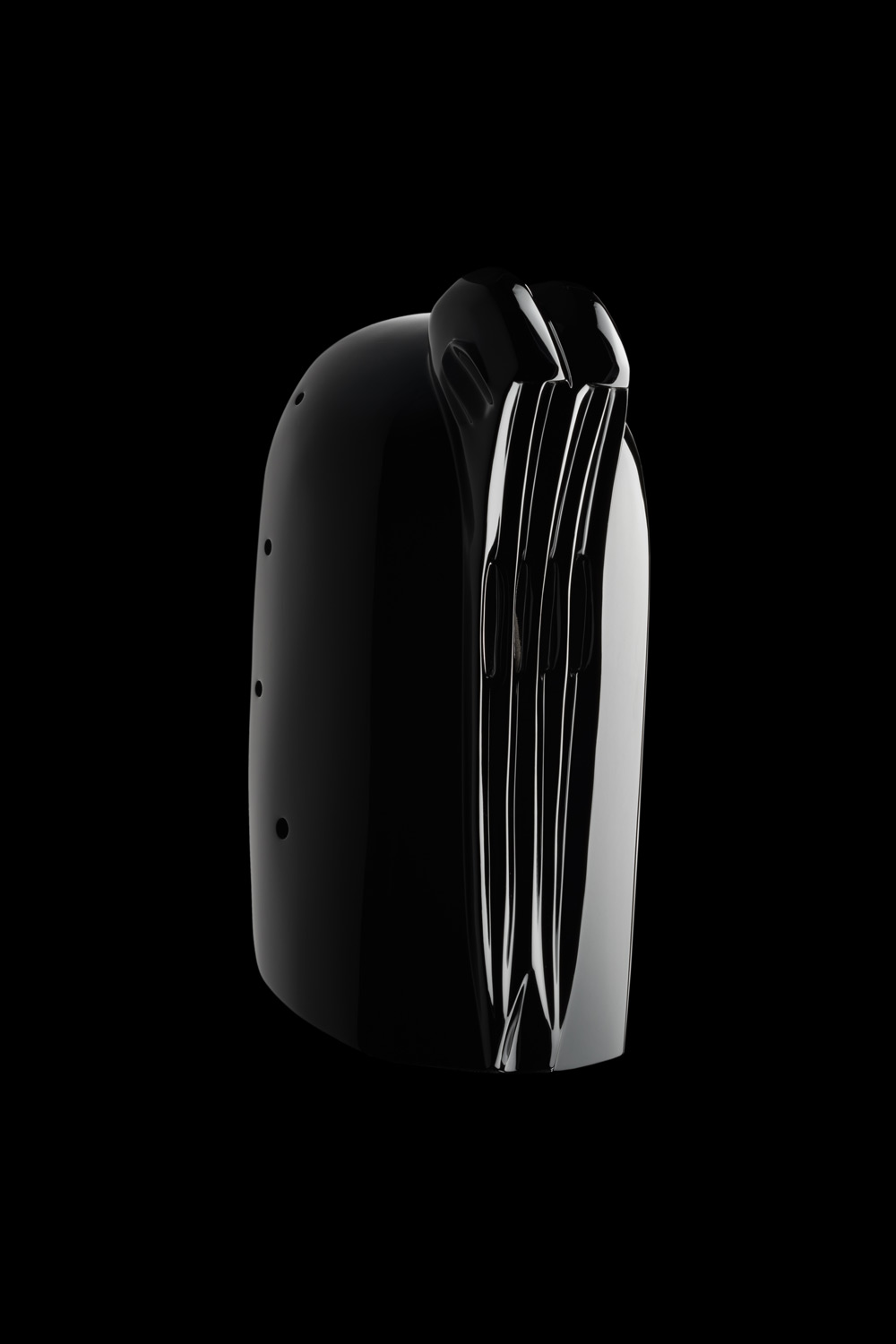
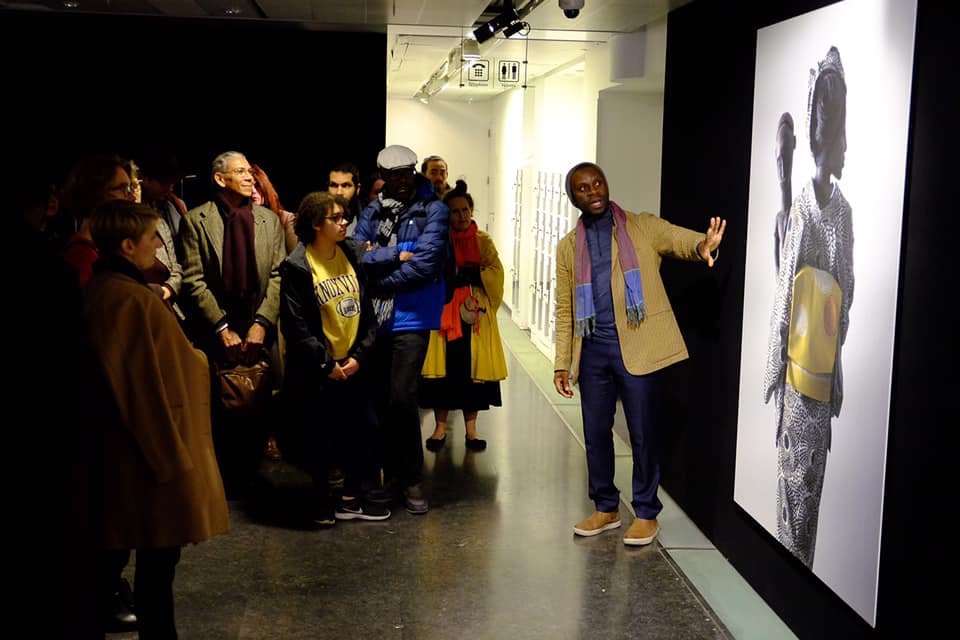
L’exposition de la MCJP présente plusieurs oeuvres de Serge Mouangue conçues dans le cadre de Wafrica. Les Blood Brothers mêlent la sculpture sur bois du Cameroun à la laque urushi : une famille d’artisans-laquiers de Tokyo, qui travaille habituellement pour l’Empereur, s’est vue confier l’application de la laque sur les personnages de bois pygmée.

Focus avec l’artiste Serge Mouangue sur son oeuvre « Seven Sisters »

Wafrica exhibit opening in Paris

WAFRICA EXHIBIT opening IN PARIS

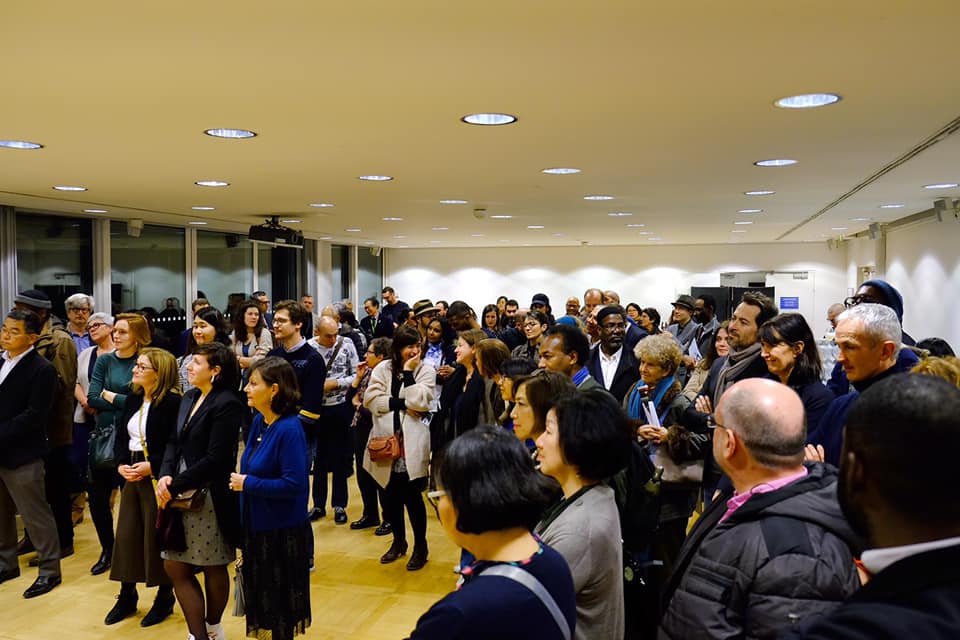
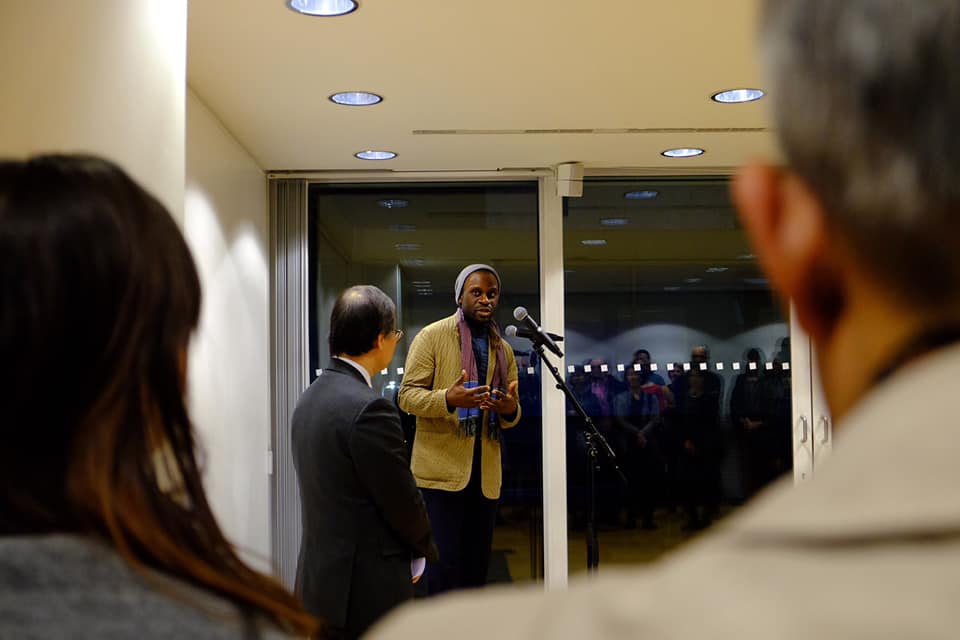
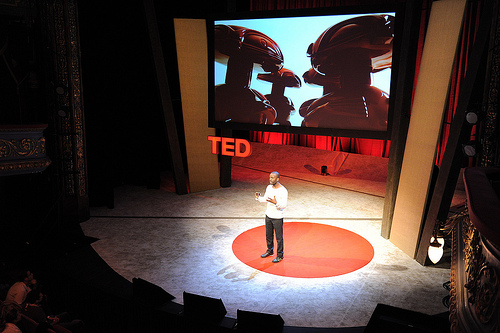
Opening night to kick off Wafrica exhibit in Paris was a resounding success! Many supporters came yesterday to hear Serge Mouange present his work at the Maison de la culture du Japon à Paris.

Victoria Abril wearing Wafrica at Cannes Festival

Victoria Abril wearing Wafrica at Cannes Festival

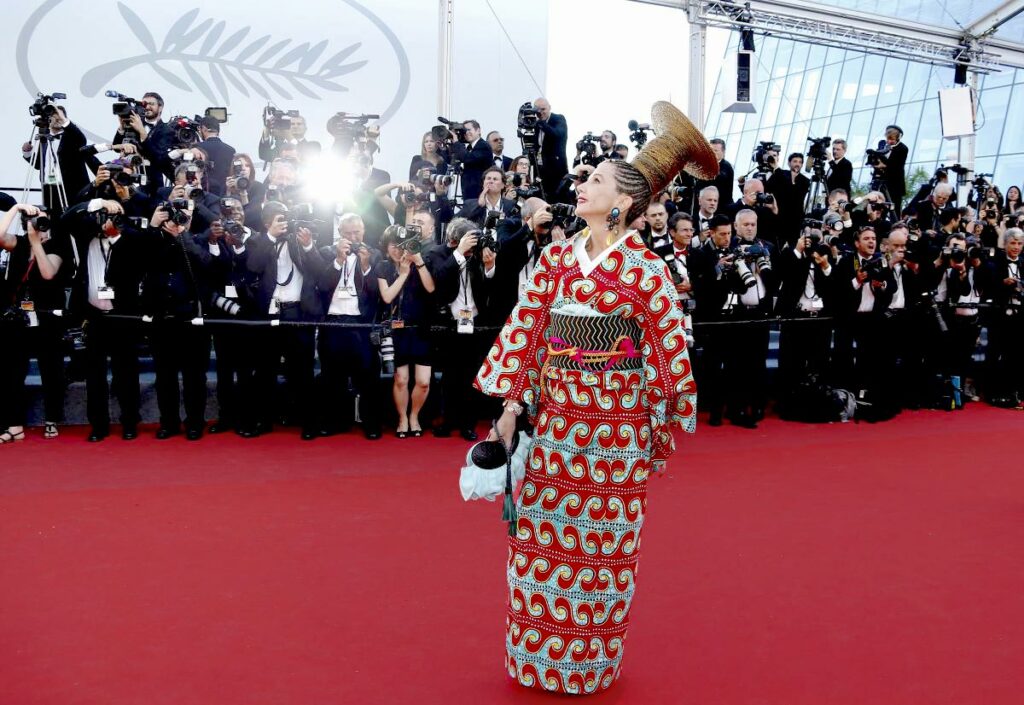
Spanish actress Victoria Abril made headlines at the 2017 Cannes Festival by walking the red carpet adorned in an African Kimono.

2017年カンヌ映画祭でスペイン人女優ビクトリア・アブリルが「アフリカンきもの」をレッドカーペットで披露し、脚光を浴びた。

The Swedish National Museums of World Culture acquire kimono by Serge Mouangue!

The Swedish National Museums of World Culture acquire kimono by Serge Mouangue!

West Africa meets Japan in cross-border design.

One of the Parisian-based designer Serge Mouangue’s innovative kimonos has been purchased for the Museums of World Culture’s collection. The work Night Wonders combines Japanese kimono traditions with West African aesthetics – representing an example of how something completely new arises when different cultures are woven together.

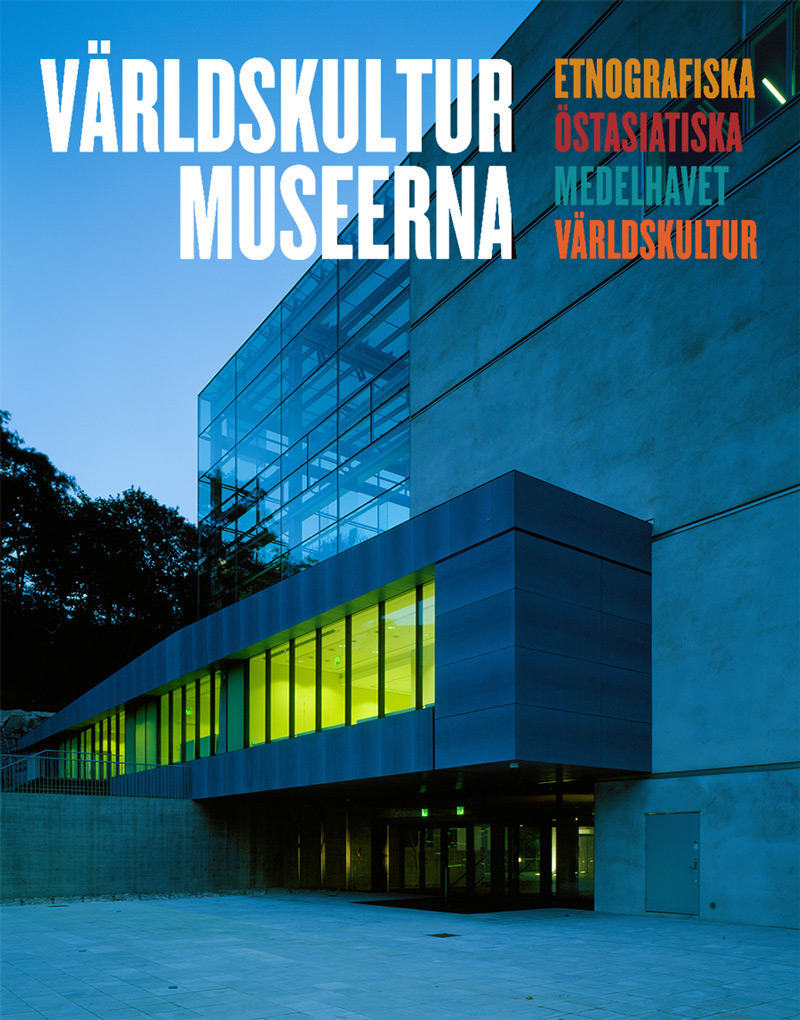
When the Museum of World Culture in Gothenburg opened its doors after its temporary closure due to the corona pandemic, visitors were greeted by a fascinating kimono in the entrance that unites expressions from both Africa and Japan. The work is designed by Cameroon-born Serge Mouangue and composed by the ancient Japanese kimono manufacturer Odasho in Kyoto. The kimono combines West African cotton fabric with Kyoto silk in a furisode-type kimono.

For the Museums of World Culture, the WAfrica kimono is an object that represents a cultural encounter in a changing world. Globalization not only risks people losing parts of their cultural identity – it also provides an opportunity for meaningful conversation, as here, between two strong cultural traditions: the Japanese kimono craft and the Central African cultural heritage, says Ann Follin, director general at the Museums of World Culture.

Serge Mouangue got the idea for WAfrica during the five years he lived and worked in Japan, and founded the creative platform in 2008. By finding commonality and celebrating differences, WAfrica seeks to create a truly global ‘third aesthetic’. The name WAfrica comes from the association of Wa (“harmony” or “Japan” in Japanese) and Africa.

Cultures around the world are interconnected. They influence and inspire each other and are in constant motion and changing over time and space. I am happy that the Museums of World Culture have chosen to include one of my works in their collection, and I think that Night Wonders complements the collection well precisely because it is an example of how something new is created when cultures meet, says Serge Mouangue.

The kimono from the WAfrica-collection is on display in the Museum of World Culture’s entrance in 2021 and weaves two exhibitions together, both displayed at the Museum of World Culture during 2021: Black Thread and Kimono – Kyoto to Catwalk.

The purchase of the kimono has been made possible through funds from the Didrik Bildt’s fund. The purpose of the fund is to support the purchase of objects from Japan and the care of the museums’ Japanese collections.

For further information, please contact:

Johanna Flemström, Communications Specialist
+ 46 (0)10-456 1161, johanna.flemstrom@varldskulturmuseerna.se